



You don’t need to turn your apartment into a tropical forest. Small choices — a material, a color, a piece of furniture — are enough to change how you feel inside your home. In this guide, we show how to apply biophilic design room by room, with specific pieces from the Gato Preto catalog.
What biophilic design is and why it’s gaining relevance
Biophilic design is a decorating approach based on the connection between humans and nature. The name comes from the concept of biophilia — the innate affinity humans have for living and natural systems.
In practice, this means integrating elements like wood, stone, linen, plants, natural light, and color palettes inspired by the outdoors into interior spaces. The goal is not to imitate nature but to evoke the sense of balance it provides.
Studies from the University of Exeter and the University of Melbourne have shown that environments with natural elements reduce cortisol (the stress hormone), improve focus, and increase the feeling of well-being. The WHO recognizes the home environment as one of the factors with the greatest impact on urban mental health.
In terms of decoration, this translates into three principles:
- Sensory presence of nature — materials you can touch, smells, textures.
- Natural patterns — organic shapes, irregular repetition, gentle asymmetry.
- Space and light — brightness, flow, absence of excess.
How to apply biophilic design in every room of the house
Biophilic design is not a decorative style — it’s a way of thinking about each room based on the well-being of those who inhabit it. Below we show how to adapt it to the living room, bedroom, and office, with specific pieces from Gato Preto.
Living room: the center of balance
The living room is the space where the family gathers and where the body decompresses after the day. To apply biophilic design here, the starting point is the sofa — the piece that sets the tone for the entire room.
Choose natural fabrics, earth tones, and structures with wooden legs. Complete with a side table in organic materials and decorative elements in ceramic or rattan.
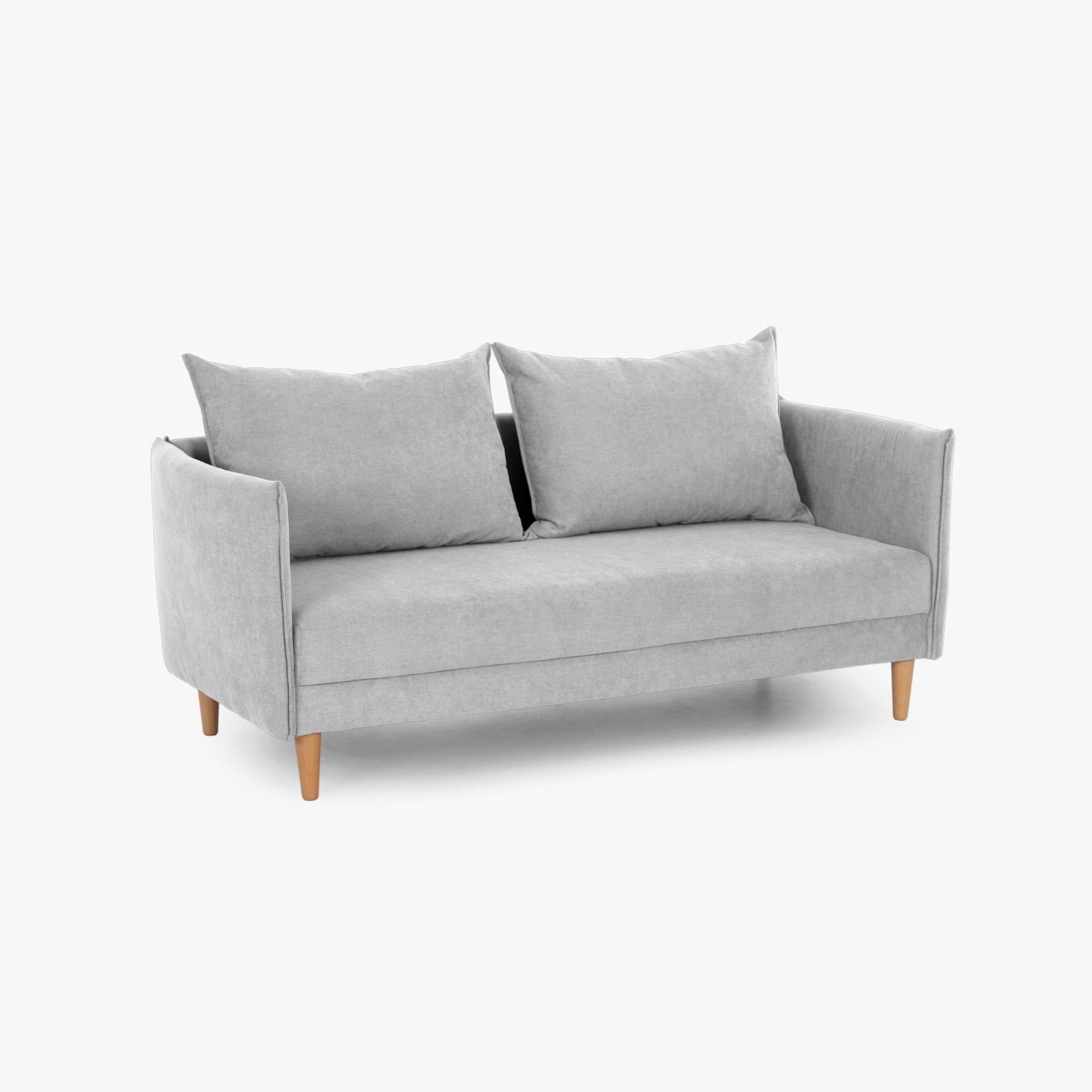
€599.00 €359.00 — Save €240 (-40%)
Made in Portugal. Natural wood legs, clean lines, immediate delivery. The tall wooden leg is a classic biophilic element — bringing natural material to the center of the room.
View product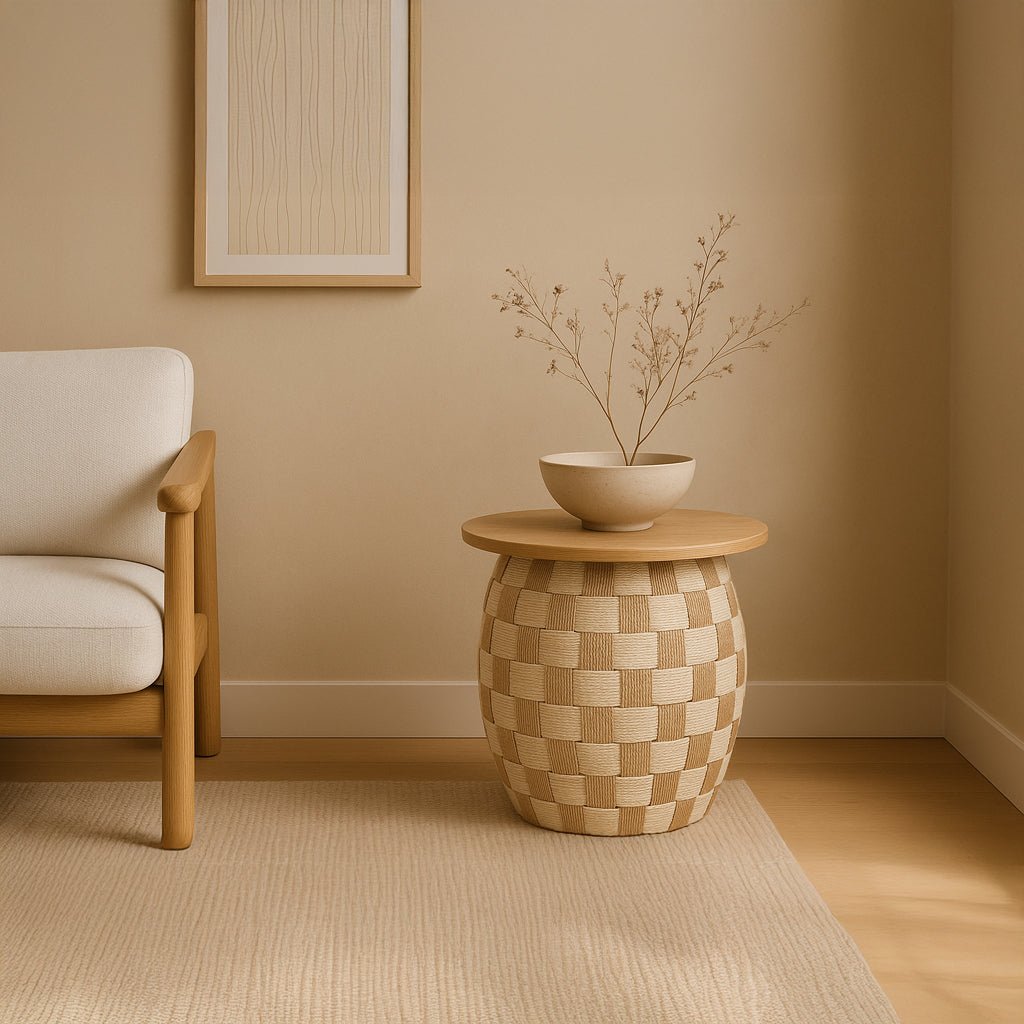
€139.00 €111.20 (-20%)
Combination of wood and rope — two natural materials in a functional piece. Perfect next to the sofa or as a side table.
View productBedroom: rest that starts with decoration
The bedroom is the space where the body regenerates. Any sensory disturbance — too much artificial light, synthetic materials, excess objects — hinders falling asleep and sleep quality.
In biophilic design, the ideal bedroom has soft, natural materials, a palette of neutral and warm tones, and furniture with organic shapes or exposed wood.
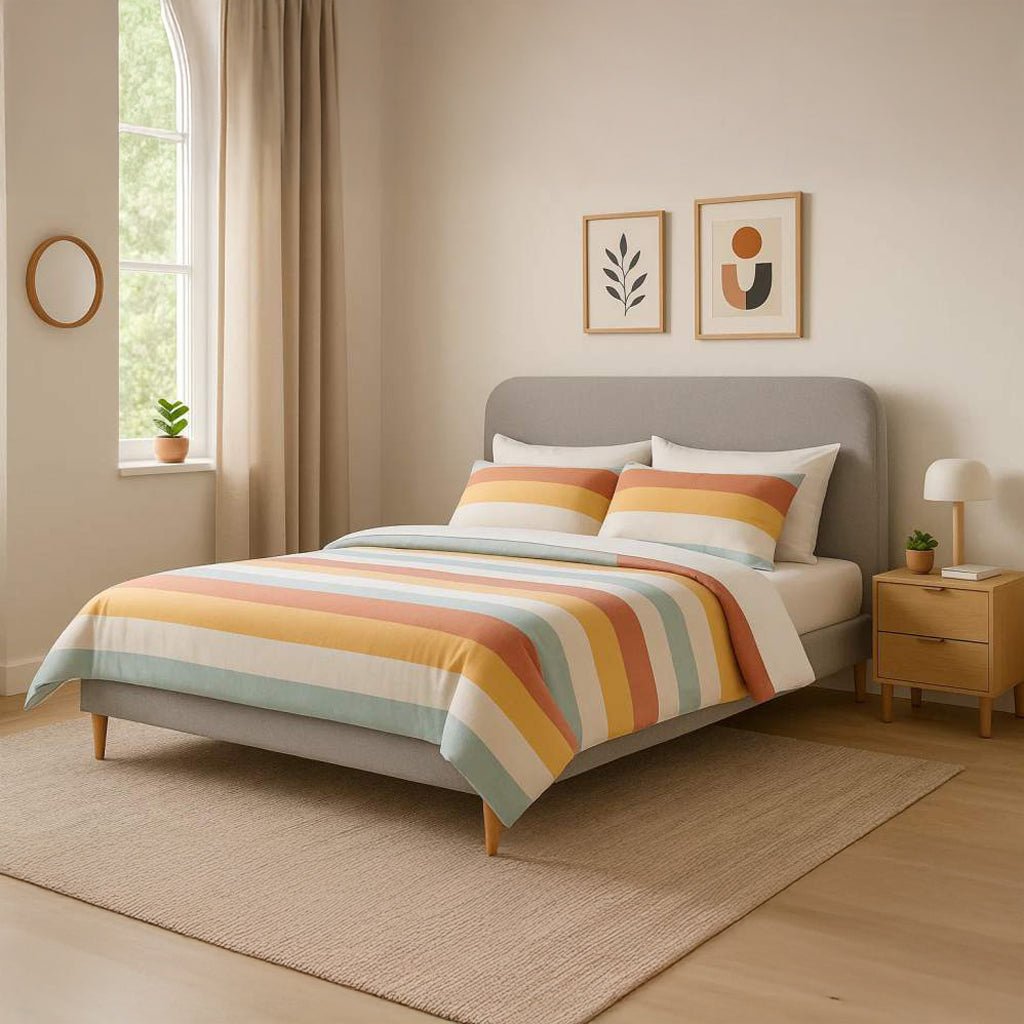
€629.00 €503.20 (-20%)
The rounded headboard and wooden legs make this model a direct example of biophilic design in the bedroom: organic shapes, natural materials, a sense of shelter.
View product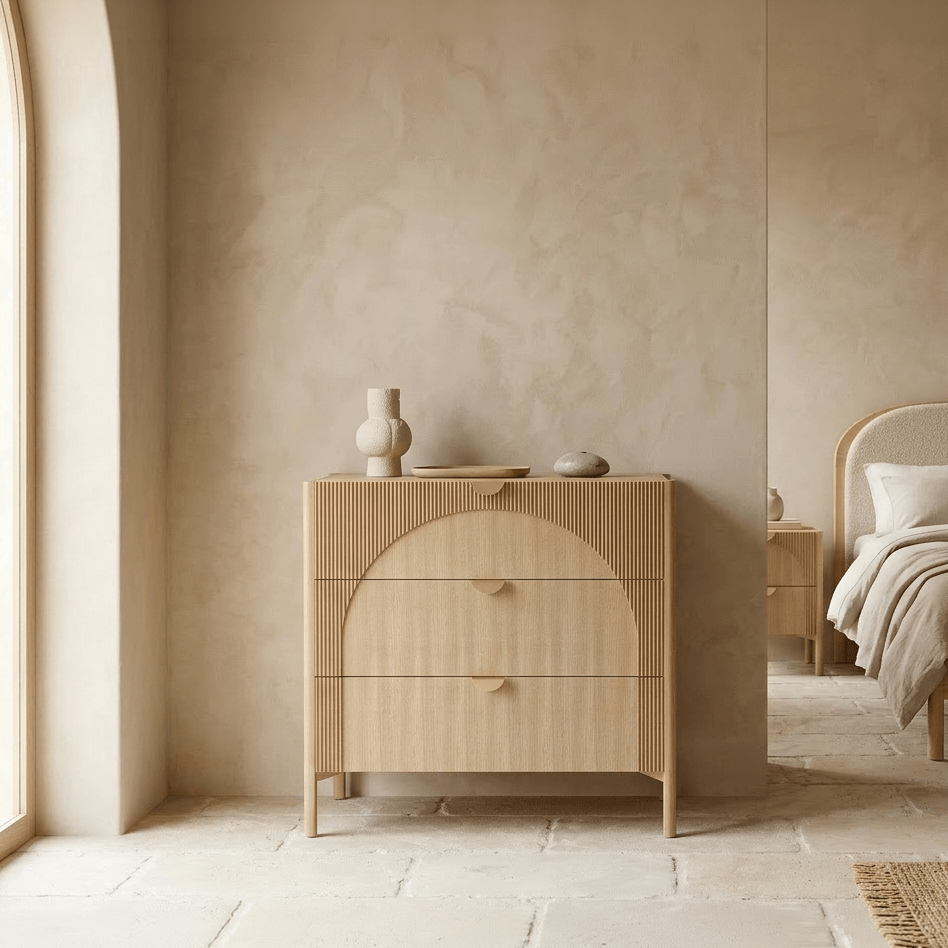
€499.00 €349.30 (-30%) — Immediate delivery
Simple lines, light wood. Functional without visual overload — essential in a biophilic room where the principle is "less is more."
View productHome office: productivity and well-being
We spend more and more hours in front of screens. An office with natural elements reduces mental fatigue, improves focus, and makes working hours less exhausting.
Materials like rattan and wood in furniture, small plants on the desk, and natural light whenever possible are the interventions with the greatest impact.
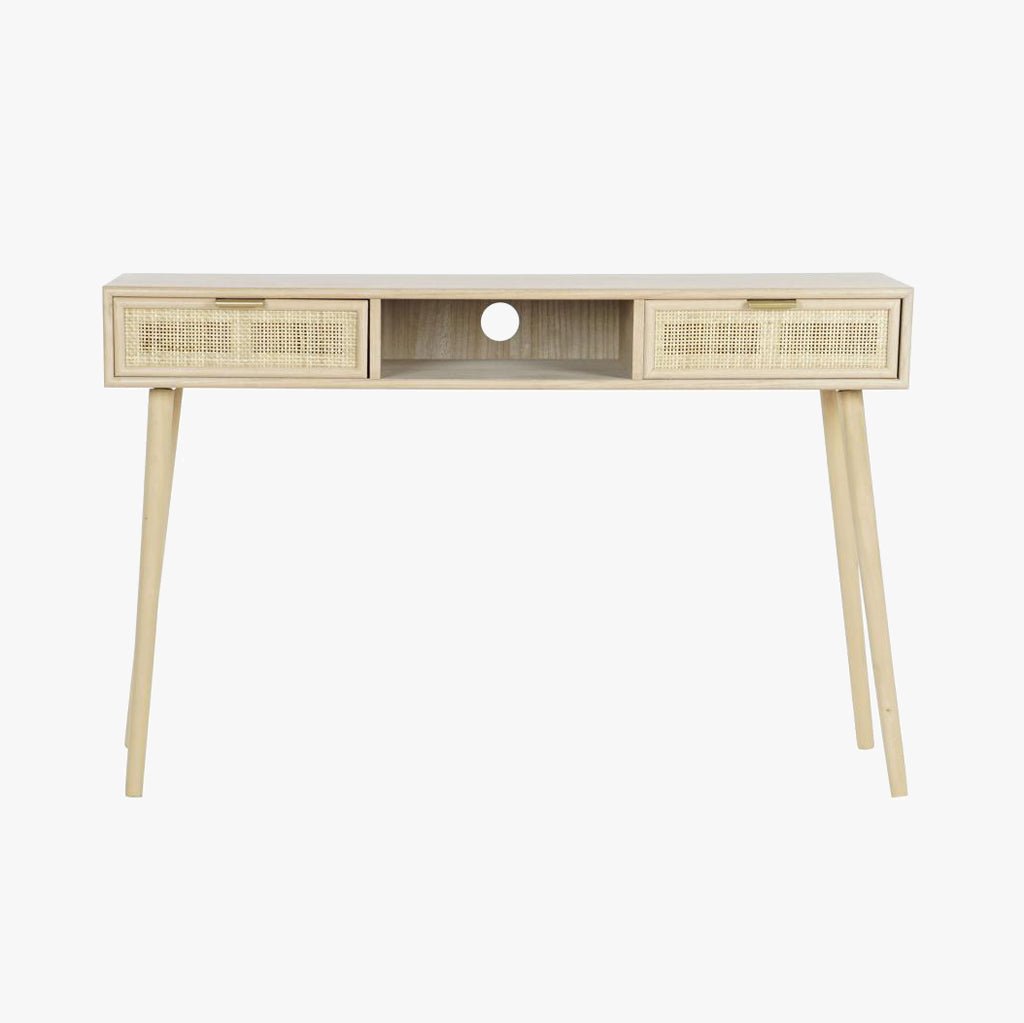
€289.00 €231.20 (-20%)
The combination of natural wood and rattan makes this desk one of the best biophilic choices for a home office. Rattan brings organic texture without visually weighing down the space.
View product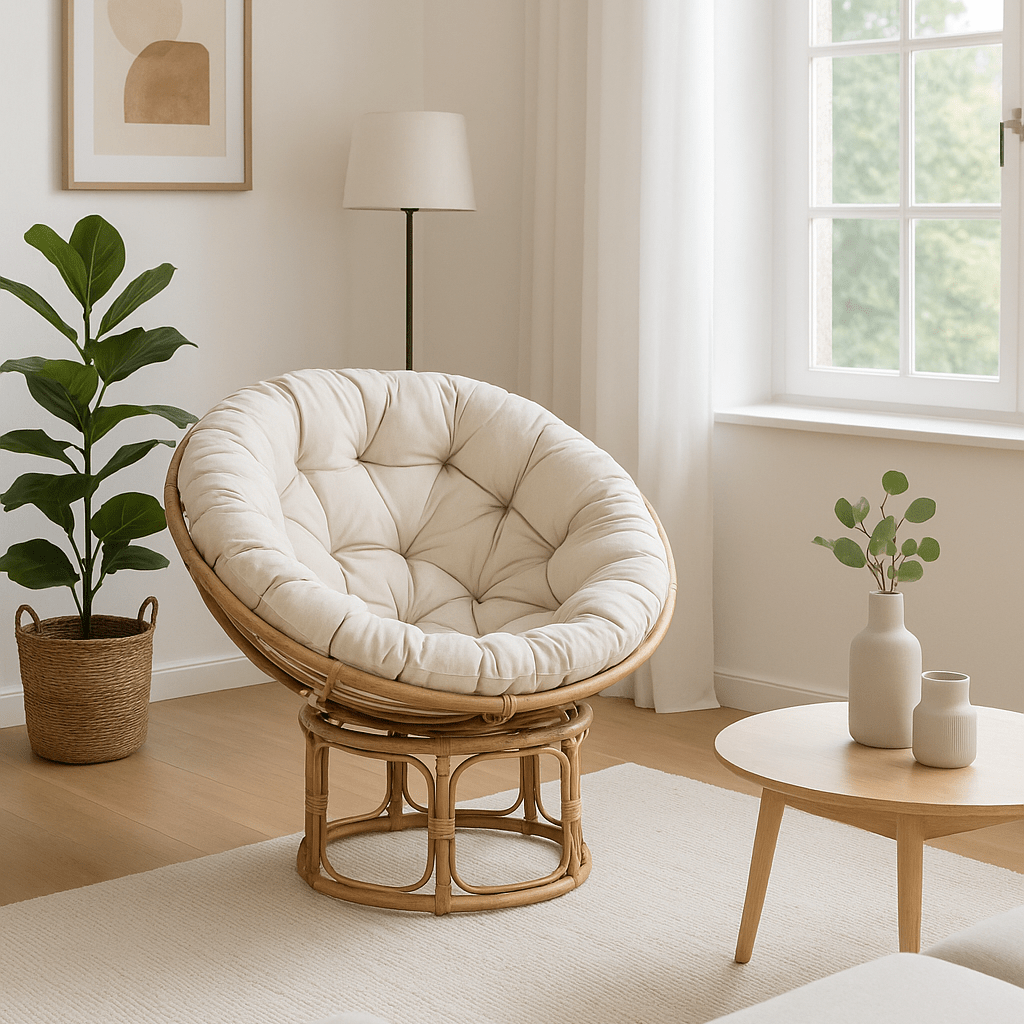
€519.00 €415.20 (-20%)
Circular shape, comfortable cushion — a chair that invites you to sit for hours without tiring. The round shape is a recurring natural pattern in biophilic design.
View productMaterials that make a difference in biophilic design
Not all materials work the same way. Below is a quick guide to those that contribute most to a biophilic space:
- Natural wood — the anchor material. Brings warmth, texture, and visual continuity. Works in all forms: solid, light, dark, aged.
- Rattan and wicker — lightness and organic texture. Ideal for chairs, mirrors, decorative pieces, and lighting.
- Linen and natural cotton — for textiles (sofas, cushions, bedding, curtains). Breathes, is hypoallergenic, and ages well.
- Handmade ceramics — jugs, vases, decorative pieces. The imperfection of hand-formed shapes is a biophilic element in itself.
- Stone and terracotta — in countertops, objects, and decorative pieces. Visual and tactile freshness.
What to avoid: shiny plastics, excessive cold metals, completely smooth and uniform surfaces. It’s not an absolute rule, but the more artificial the texture, the less it contributes to the biophilic balance of the space.
Colors for a biophilic space
The color palette is as important as the materials. In biophilic design, the most effective colors are those we find in nature in a state of calm:
- Moss green and sage — tranquility, freshness, connection to vegetation.
- Terracotta and ochre — warmth, earth, comfort.
- Beige, sand, and raw — neutrality that doesn’t tire.
- Stone gray — modernity without coldness.
- Grayish blue — serenity, water, overcast sky.
The rule of thumb: a biophilic room rarely uses more than three colors, two neutral and one natural accent. The contrast between textures (wood + linen + ceramic) replaces color contrast.
Natural light: the most underrated element
No material or color palette compensates for the lack of natural light. Exposure to natural light during the day regulates the circadian rhythm, improves mood, and increases productivity.
To maximize natural light at home:
- Avoid blocking windows with heavy furniture.
- Use curtains made of light fabric (linen, muslin) that filter without blocking.
- Position mirrors opposite or beside windows to double the light.
- Choose light wall colors in rooms with less sun exposure.
- Place work desks and reading corners near natural light sources.
Plants: the most accessible biophilic accelerator
A plant does more for a space than any other decorative element at the same price. It’s not just aesthetics — plants improve air quality, absorb noise, and create a living focal point that the eye naturally seeks.
The best suited for low-maintenance interiors:
- Zamioculca — survives with very little light and watering. Shiny leaves, elegant appearance.
- Pothos — grows in pots or climbs, tolerant of partial shade.
- Ficus lyrata (fiddle leaf fig) — large, dramatic leaf, a favorite of interior biophilic design.
- Succulents — for office or windows with direct light. Require almost zero attention.
If you don’t have time to care for plants, premium artificial plants are a valid alternative — especially when combined with real natural materials and textures.
Discover the plants and flowers from Gato Preto — a selection of realistic options that require no maintenance.
Biophilic design and conscious consumption
A more natural home also starts with buying less and better. Biophilic design is inherently opposed to excess — it prioritizes durable pieces, honest materials, and uncluttered spaces.
Investing in a sofa made in Portugal, a wooden and rattan desk that lasts for decades, or a bed with a natural fabric headboard is a lifestyle choice, not just decoration. At Gato Preto, sofas are designed and manufactured in Portugal — made to order, with in-house quality control and a focus on durability.
Frequently asked questions about biophilic design
What is biophilic design in simple words?
It’s a way of decorating that brings elements of nature inside the home — materials like wood, rattan, and linen, colors inspired by the outdoors, natural light, and plants. The goal is to create spaces that make the body and mind feel balanced.
Do you need to spend a lot to have a biophilic home?
No. A plant, a linen cushion, and a ceramic vase already change the perception of a room. Biophilic design prioritizes quality over quantity — one right piece is worth more than ten decorations without intention.
What are the best colors for a biophilic home?
Earth tones (terracotta, beige, ochre), soft greens (sage, moss), and stone grays are the most suitable. The rule is simple: if the color can appear in a natural landscape, it works.
Does biophilic design work in small apartments?
Especially well. In small spaces, every element has more impact. A plant by the window, a mirror that doubles the light, a wooden table — with little, you transform a lot.
Where should you start transforming your home?
Start with the room where you spend the most time. For most people, it’s the living room or home office. A well-done change in one room usually motivates the rest of the house.
Does biophilic design fit with modern and minimalist styles?
Yes — it’s actually one of the best combinations. Minimalism values empty space and purposeful pieces; biophilic design brings texture and warmth without adding visual chaos. They are complementary approaches.
Keep exploring: Natural materials in decoration · How to create a cozier home · Decoration mistakes to avoid


